
• camu-log

    Welcome to the CAMU LMS Digital Learning Platform!

    Here you can manage your learning processes, access course materials, submit assignments, and communicate with teachers.

Available courses

Course Description

Transition to Professional Practice is designed to prepare nursing students for the transition from student nurse to professional registered nurse. The course focuses on the knowledge, skills, and professional behaviors necessary for safe, ethical, and effective nursing practice.

Students will explore key topics including professional roles and responsibilities, clinical decision-making, patient safety, communication and teamwork, delegation and prioritization, leadership, ethical and legal considerations, evidence-based practice, and professional accountability. Emphasis is also placed on preparation for the NCLEX-RN examination, development of clinical judgment, and successful entry into professional nursing practice.

Through discussions, case studies, clinical scenarios, and NCLEX-style questions, students will strengthen their ability to apply nursing knowledge to real-world situations and develop confidence in assuming the responsibilities of a registered nurse.


Course Description

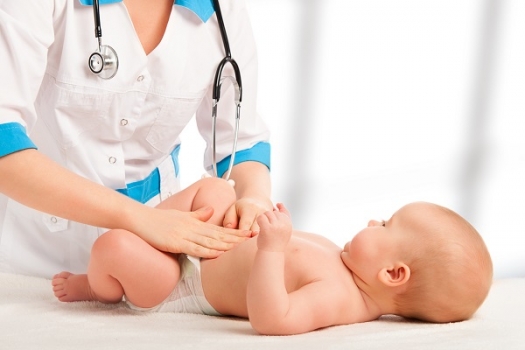
This course prepares nursing students to provide evidence-based, family-centered nursing care to neonates, infants, children, and adolescents in health and illness. The course emphasizes growth and development, health promotion, disease prevention, pediatric assessment, and management of common pediatric disorders. Clinical experiences enable students to apply theoretical knowledge in pediatric healthcare settings.

Mental Health Nursing introduces principles of psychiatric-mental health nursing across the lifespan. Emphasis is placed on therapeutic communication, mental health assessment, evidence-based interventions, psychopharmacology, patient safety, recovery-oriented care, and the nursing management of individuals experiencing mental health disorders.


Adult Health Nursing II builds upon foundational medical-surgical nursing concepts and focuses on the care of adults with complex acute and chronic health conditions. Emphasis is placed on advanced clinical judgment, evidence-based practice, patient safety, prioritization of care, pharmacologic management, interdisciplinary collaboration, and the application of the nursing process to high-acuity patient situations. Course content aligns with NCLEX-RN clinical judgment standards and professional nursing practice.


This course introduces students to the core principles, concepts, and skills fundamental to nursing practice. It emphasizes the nurse’s role in providing safe, compassionate, and evidence-based care to individuals across the lifespan. Students develop foundational competencies in communication, clinical reasoning, infection control, basic nursing procedures, and ethical practice.

Microbiology for Nursing – Weekly Course Outline (14 Weeks)


Week 1 — Introduction to Microbiology

 • Importance of microbiology in nursing

 • Types of microorganisms

 • Basic lab safety & infection control concepts


Week 2 — Structure & Function of Prokaryotic and Eukaryotic Cells

 • Bacterial cell structure

 • Fungi, protozoa, and viruses overview

 • Differences relevant to treatment


Week 3 — Microbial Nutrition, Growth, & Control

 • Growth requirements

 • Sterilization vs. disinfection

 • Hospital sanitation protocols


Week 4 — Microbial Genetics & Antimicrobial Resistance

 • DNA, mutation, gene transfer

 • Mechanisms of resistance

 • Importance for antibiotic stewardship


Week 5 — Immunology Basics

 • Innate vs. adaptive immunity

 • Inflammation

 • Clinical relevance (vaccines, immunodeficiency)


Week 6 — Vaccines & Immunization Programs

 • Types of vaccines

 • Nursing responsibilities

 • Adverse reactions monitoring


Week 7 — Bacterial Pathogens (Part 1): Gram-Positive

 • Staphylococcus, Streptococcus, Clostridium

 • Associated diseases

 • Nursing care & infection control


Week 8 — Bacterial Pathogens (Part 2): Gram-Negative

 • E. coli, Salmonella, Neisseria, Pseudomonas

 • Nosocomial infections

 • Prevention strategies


Week 9 — Viral Infections

 • Influenza, hepatitis viruses, HIV

 • Antiviral therapy basics

 • Nursing considerations


Week 10 — Fungal & Parasitic Infections

 • Candida, Aspergillus

 • Protozoa (Giardia, Plasmodium)

 • Diagnosis & nursing management


Week 11 — Infection Prevention & Control (IPC)

 • Standard precautions

 • Transmission-based precautions

 • Hand hygiene, PPE use


Week 12 — Healthcare-Associated Infections (HAIs)

 • Catheter-associated infections

 • Ventilator-associated pneumonia

 • Surgical-site infections

 • Role of nurses in prevention


Week 13 — Lab Diagnosis of Infectious Diseases

 • Specimen collection

 • Culture, staining, PCR

 • False positives/negatives in nursing practice


Week 14 — Antibiotics & Nursing Responsibilities

 • Classes of anti microbial

 • Proper administration

 • Monitoring for side effects

 • Preventing resistance

Fundamentals of Nursing Practice I introduces students to the essential concepts, skills, and professional standards that form the foundation of modern nursing. This course emphasizes a holistic, evidence-based approach to patient care while preparing students to think critically, communicate effectively, and perform core clinical skills with safety and confidence.


Students explore the nurse’s role within the healthcare team, legal and ethical responsibilities, cultural competence, infection control, patient assessment, and the principles of therapeutic communication. Through a combination of lectures, guided discussions, case studies, skills-lab practice, and simulation, learners begin developing the clinical judgment necessary for safe patient care.


By the end of this course, students will be able to apply fundamental nursing principles, demonstrate basic hands-on skills, and integrate empathy, professionalism, and critical thinking into their emerging nursing practice.


  1. Course Orientation & Framework
  2.  Nursing Process in Adult Care
  3. Critical Thinking & Evidence-Based Practice
  4. Societal & Cultural Influences
  5.  Nursing Care in Respiratory Disorders
  6.  Nursing Care in Cardiovascular Disorders
  7.  Nursing Care in Endocrine Disorders
  8.  Mid-Semester Integration / Review
  9.  Nursing Care in Renal Disorders
  10. Nursing Care in Neurological Disorders
  11. Nursing Care in Musculoskeletal Disorders
  12.  Nursing Care in GI Disorders
  13.  Nursing Care in Cancer & Palliative Care
  14. Nursing Care in Older Adults (Geriatric Focus)
  15. Integration of Nursing Process & Decision-Making
  16. Final Review & Evaluation


Health Assessment is a foundational nursing course designed to develop students’ ability to collect, analyze, and interpret comprehensive patient data. This course emphasizes a systematic approach to conducting physical examinations, obtaining accurate health histories, and identifying normal versus abnormal findings across all body systems.


Students will learn and apply the core assessment techniques of inspection, palpation, percussion, and auscultation, while integrating critical thinking and clinical reasoning to form accurate nursing judgments. The course prepares students to perform a complete head-to-toe assessment, communicate findings professionally, and document assessment data according to evidence-based standards.


Throughout the course, learners will participate in demonstrations, guided practice, case-based scenarios, and clinical skill development essential for safe, effective nursing care.


Upon completion, students will be able to:

  • Perform a comprehensive health history
  • Conduct a structured head-to-toe physical assessment
  • Identify normal and abnormal clinical findings
  • Utilize assessment techniques safely and effectively
  • Document assessment data using standardized nursing formats
  • Apply critical thinking to prioritize patient needs

This course supports the development of strong clinical judgment, enhances patient interaction skills, and builds the essential competencies required for nursing practice.


This Pathophysiology course provides professional nursing students with a comprehensive understanding of altered physiological processes and disease mechanisms. The course emphasizes clinical relevance, nursing assessment, and NCLEX-RN alignment

Adult Health Nursing I introduces foundational concepts and evidence-based nursing care for adult patients with common acute and chronic health alterations. Emphasis is placed on clinical reasoning, the nursing process, patient safety, prioritization, interprofessional communication, pharmacologic principles, and patient/family education. Content aligns with NCLEX-style clinical judgment and professional standards of nursing practice.Related learning experiences: This theory course is paired with Adult Health Nursing I Clinical. 

Skills labs/simulation and clinical experiences support application of theory content to patient care.

This course introduces foundational principles of therapeutic communication, professional behavior, and ethical decision-making in nursing practice. Emphasis is placed on patient-centered communication, interprofessional collaboration, legal and ethical responsibilities, and professional standards as defined by the ANA Code of Ethics and US nursing regulations. Students will develop skills necessary to communicate effectively, manage ethical dilemmas, and uphold professional accountability in diverse healthcare settings.

  A Health and management nursing program combines direct patient care with leadership , team condition ,and healthcare administration skills

Community and Public Health Nursing is a specialized area of  nursing that focuses on promoting health, preventing disease, and improving the health of individuals, families, and communities.

Community and Public Health Nursing emphasizes prevention, health education, early detection, and population health.

Key areas include:

Health promotion and disease prevention

Community health assessment

Immunization and vaccination

Health education and counseling

Maternal and child health

Environmental health and safety

Epidemiology and disease surveillance

School and occupational health

Management of communicable diseases

Emergency and disaster preparedness

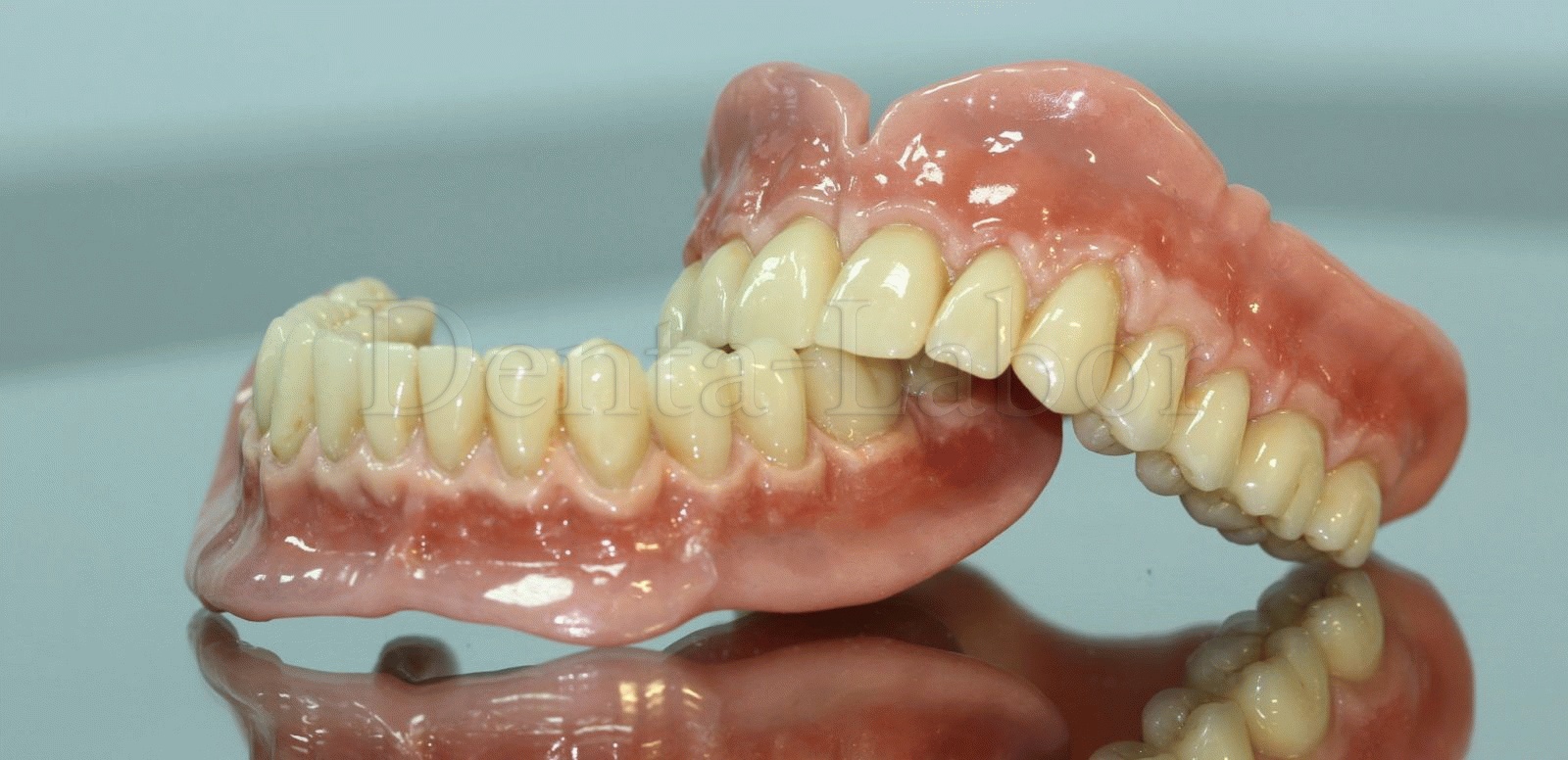
To‘liq olinadigan tishlar bilan protezlash — og‘iz bo‘shlig‘ida barcha tabiiy tishlar yo‘qolgan holatlarda chaynash, nutq va estetik funksiyalarni tiklash maqsadida olinib-taqiladigan ortopedik protezlar yordamida davolash usulidir. Ushbu protezlar jag‘ suyaklari va shilliq qavatga tayangan holda fiksatsiyalanadi hamda bemorning hayot sifatini yaxshilashga xizmat qiladi.

Parodontologiya tishlarni o‘rab turgan to‘qimalarning tuzilishi, funksiyasi va kasalliklarini o‘rganadi. Unda milk yallig‘lanishi, parodontit va ularning oldini olish usullari haqida bilimlar beriladi. Shuningdek, zamonaviy diagnostika va davolash texnologiyalari bilan ishlash ko‘nikmalari shakllantiriladi. Tishlarni uzoq muddat sog‘lom saqlashda parodontologik yondashuvning ahamiyati yoritiladi.

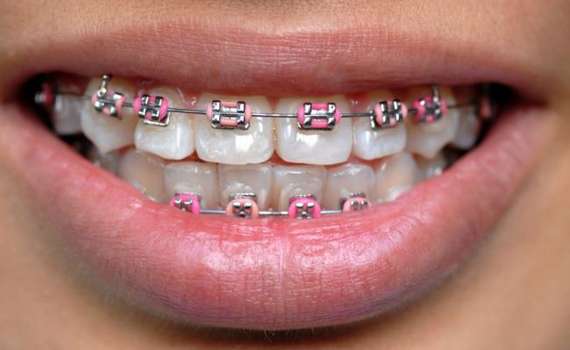
Ортодонтия — это раздел стоматологии, занимающийся диагностикой, профилактикой и лечением зубочелюстных аномалий, таких как неправильный прикус и скученность зубов, с помощью специальных аппаратов (брекетов, кап) для выравнивания зубов, улучшения эстетики улыбки и функции жевания.